Neighbourhoods

Amsterdam neighbourhoods: choose the right area

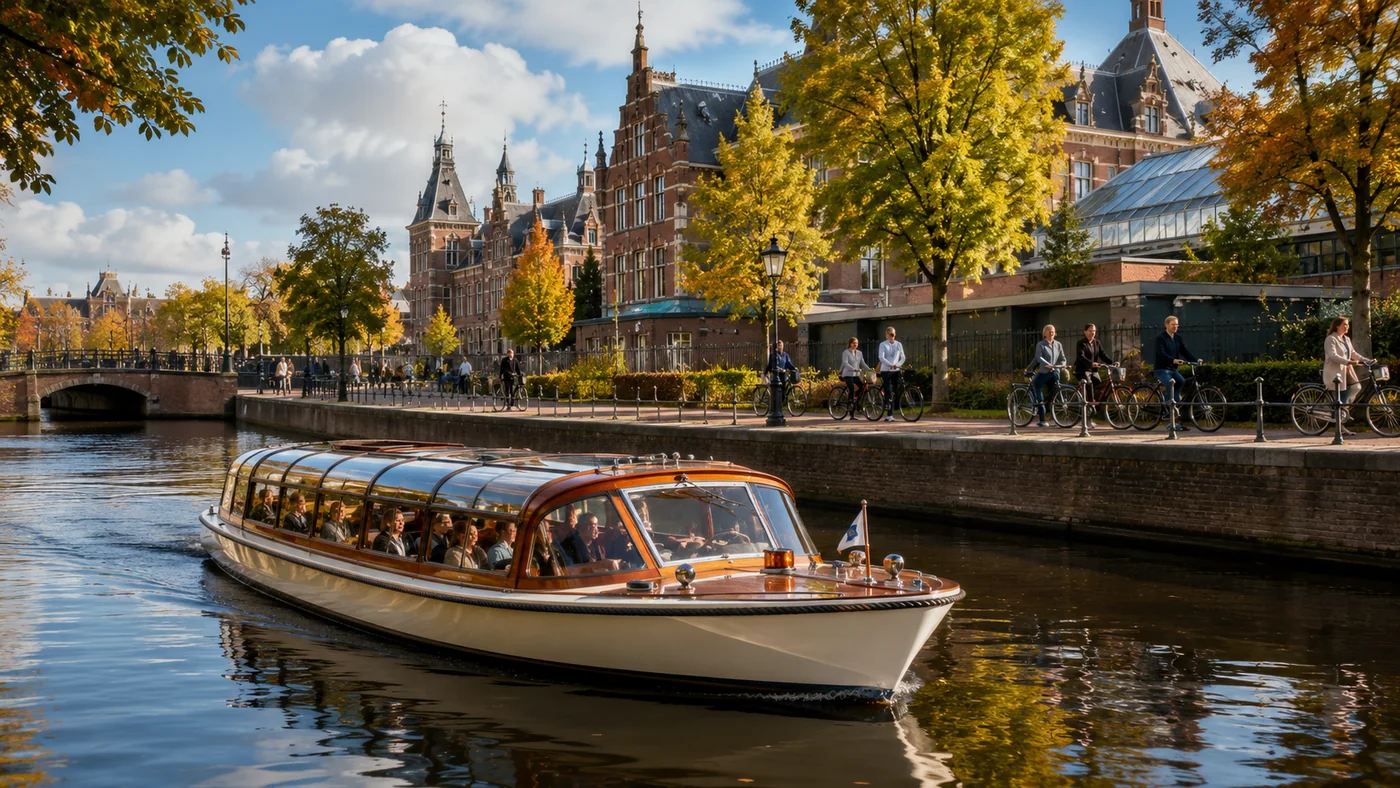
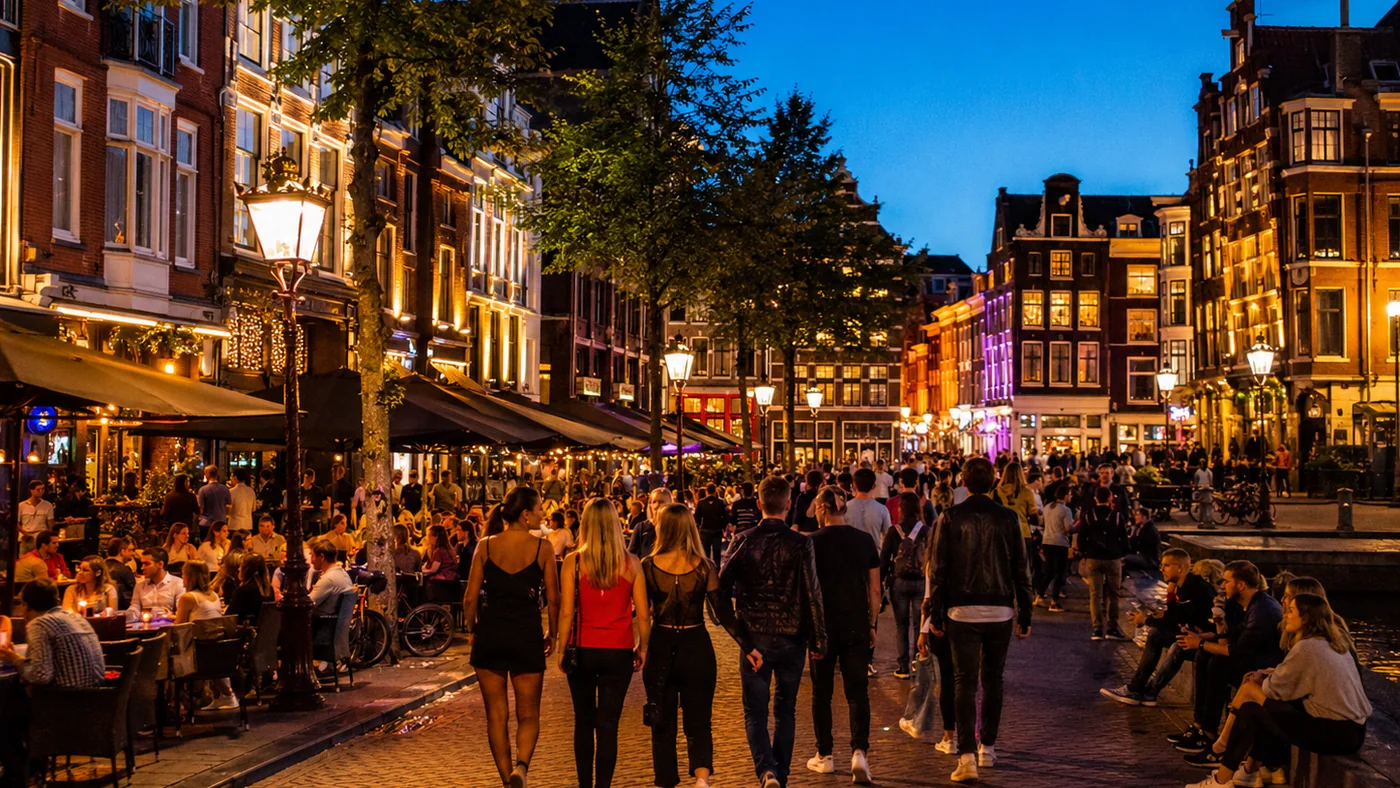
Amsterdam’s districts create very different days. Choose North for waterfronts and creative industry, East for parks and international food, West for markets and design, South for museums and De Pijp, and Southeast for Ajax, concerts and multicultural culture.

Amsterdam neighbourhoods: choose the right area
Amsterdam North

Amsterdam North

Amsterdam North sits directly across the IJ yet feels very different from the historic centre. Free ferries connect Central Station with EYE, A’DAM Lookout, This is Holland, NDSM, STRAAT and waterfront terraces. Allow at least half a day because the main sights are spread across several areas.

Read the full guide →
Amsterdam East

Amsterdam East

Amsterdam East combines nineteenth-century streets, large parks, markets, museums and a highly international food scene. ARTIS and the Plantage are on the western edge; farther east you will find Oosterpark, Dappermarkt, Javastraat, Frankendael and the modern Eastern Docklands.

Read the full guide →
Amsterdam West

Amsterdam West

Amsterdam West stretches between the centre, Vondelpark and the western edges of the city. De Hallen, Ten Katemarkt, Westerpark, Westergas, Spaarndammerbuurt and Oud-West shopping streets make it strong for food, design, film, architecture and evenings out.

Read the full guide →
Amsterdam South

Amsterdam South

Amsterdam South contains Museumplein, De Pijp, Vondelpark, the Olympic Stadium, Amsterdamse Bos and the modern Zuidas. Art, luxury shopping, markets, green parks and international restaurants are found relatively close together.

Read the full guide →
Amsterdam Southeast

Amsterdam Southeast

Amsterdam Southeast is home to the Johan Cruijff ArenA, Ajax, Ziggo Dome, AFAS Live, Amsterdamse Poort, Nelson Mandelapark and Gaasperplas. The district has a strong Surinamese and multicultural identity, distinctive urban design and major music and sporting events.

Read the full guide →
Amsterdam.tips

Which neighbourhood suits you?

For a first city break, South and the centre are convenient for museums and famous sights. North suits street art, views and space. East is strong for ARTIS, parks and food. West feels local and combines markets with culture. Southeast is the clear choice for Ajax, major concerts and events.

Do not start by asking which district is most popular. Start with the activities at the top of your list, then check which tram, metro or ferry requires the fewest changes. A hotel in the right area can save an hour of travel each day.

Amsterdam

Practical planning

A practical day route

The easiest way to experience Amsterdam is to choose one main activity and build the rest of the day around it. Distances can look small on a map, yet bridges, crowded crossings and waiting at stops take more time than many visitors expect. Do not schedule every fifteen minutes. Leave room for coffee, an unexpected shop or a short detour through a side street. First-time visitors should start at Amsterdam South and continue on foot or by public transport towards Amsterdam East. A realistic plan contains no more than two major activities and one flexible ending. This keeps the day enjoyable and prevents one delay from disrupting everything that follows.

Getting there and getting around

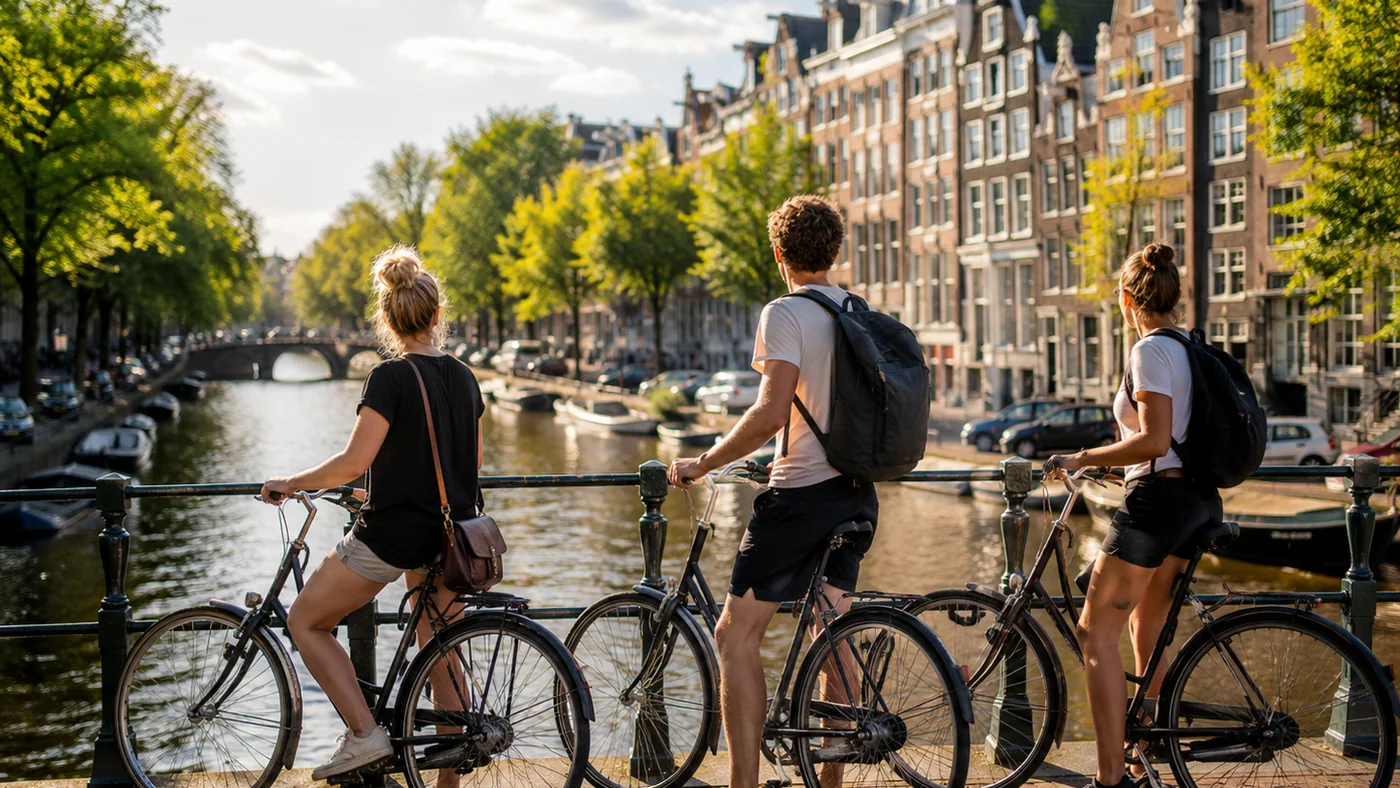
For Amsterdam, Public transport is usually the simplest option. Use tram, metro or bus for the longer leg and walk within one compact area. Check the live route shortly before departure because construction and events can temporarily move stops. Contactless bank cards can be used on many services, but you must check out with the same card or device. Cycling reveals more of the city, although it is only sensible when you are comfortable in busy urban traffic. Watch cycle lanes carefully and never cross while looking only at your phone. Driving is generally more expensive and less flexible than public transport in most parts of Amsterdam.

Combine with nearby areas

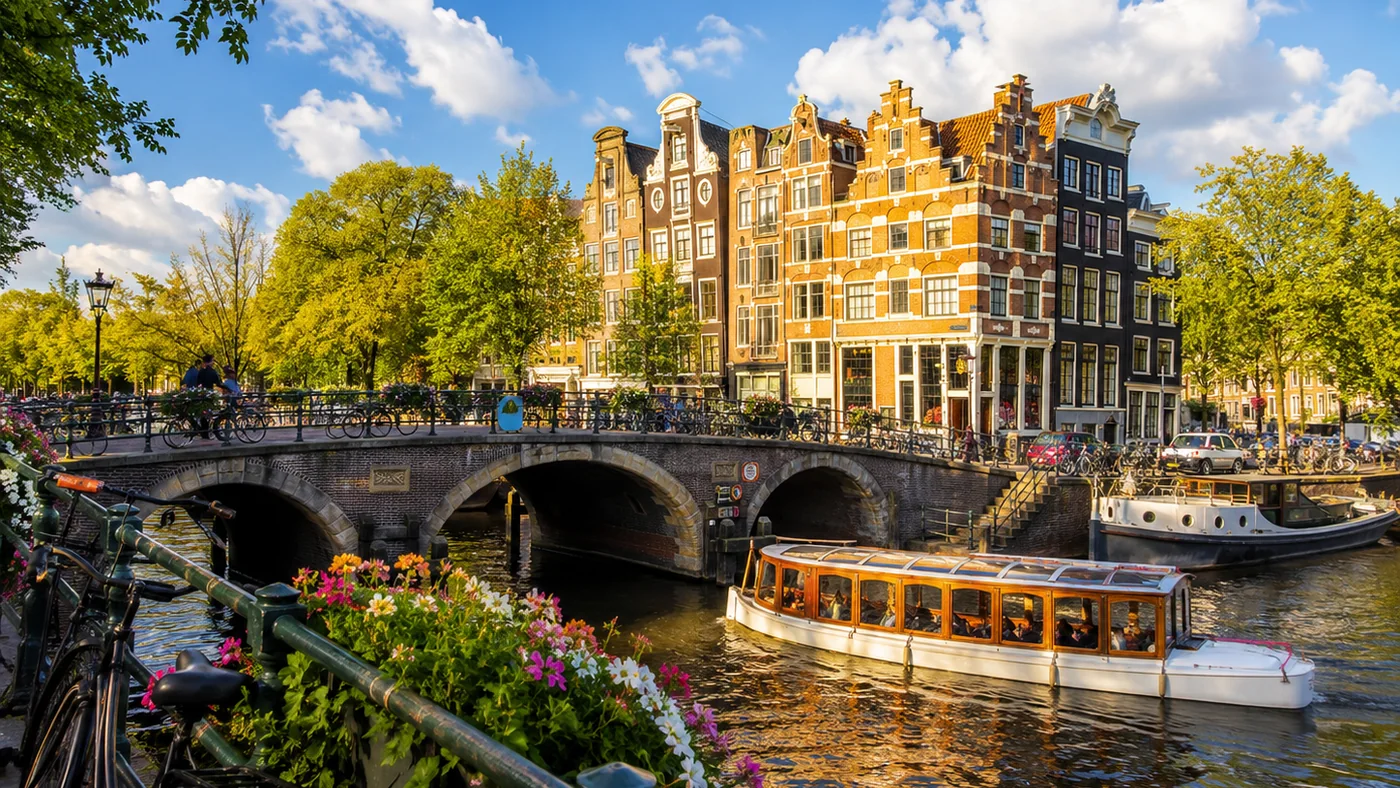
Amsterdam combines particularly well with a canal cruise, one museum and one neighbourhood. The strongest itinerary keeps both parts of the day on the same side of the city or connects them with one direct tram or metro line. Avoid a morning in the west, lunch in the east and a timed ticket in the south. Choose one district per half day instead. After an intensive museum visit, a park, market or canal cruise feels more balanced than another major exhibition. After a crowded shopping street, a relaxed meal or walk is the better contrast. This rhythm makes the day less tiring and allows you to notice the area between the headline attractions.

Where to stay

Staying in Amsterdam mainly suits visitors who want their accommodation to match the main purpose of the trip. Do not judge a hotel only by its distance from Dam Square; look at connections to the places you truly plan to visit. A room close to a metro or tram stop can be more convenient than a central hotel that requires walking through the busiest streets every evening. Check breakfast, luggage storage, late arrival, city tax and cancellation terms before booking. Museum visitors have different priorities from travellers arriving for concerts, football or nightlife. Use the neighbourhood as the base of your itinerary rather than merely a place to sleep.

How to use the neighbourhood guide

This guide is a decision tool rather than a checklist to complete. Start with the number of days available and write down no more than three main priorities. Travellers focused on art can use Amsterdam South as their base and add East for ARTIS or the Wereldmuseum. Football and concert visitors save considerable travel time by planning around Southeast. North is the right fit for views, street art and industrial spaces. West works well for markets, local shops and relaxed evenings, while East combines green areas with international food.

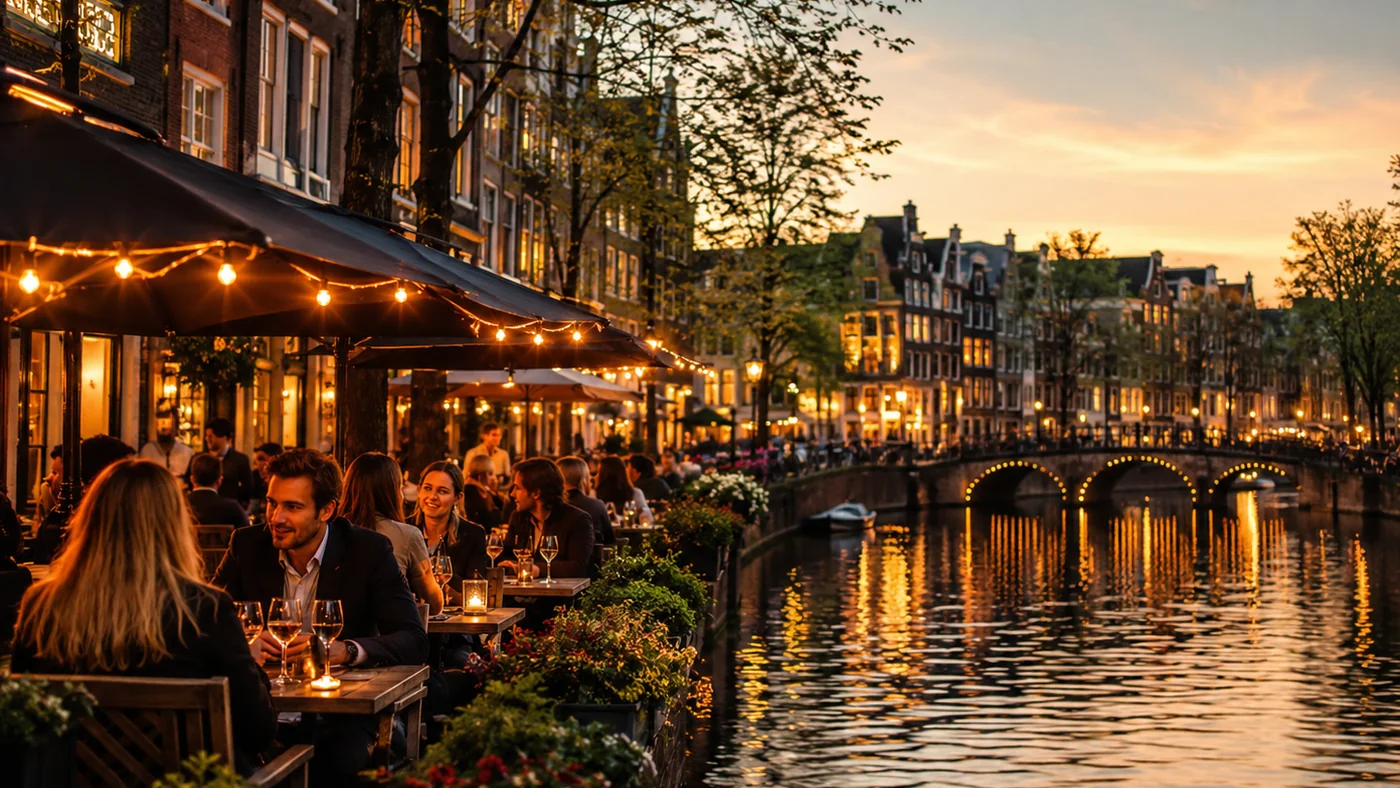
The time of day matters as much as geography. Museumplein and Albert Cuypmarkt work particularly well in the morning and afternoon. The ferry to North becomes attractive around sunset. Southeast feels most energetic when a match or concert is taking place, although stations and restaurants are also busier. A neighbourhood therefore determines pace, transport and atmosphere. Choosing the area first and reserving individual activities afterwards usually produces fewer changes and more time to observe the city.

For three days, a practical division is one day for the centre and canals, one for South with Museumplein and De Pijp, and one for North, East, West or Southeast according to personal interests. On a four- or five-day trip, two outer districts can be added, but each half day should remain compact. This prevents Amsterdam from turning into a sequence of metro journeys between timed tickets.

Powered by GetYourGuide